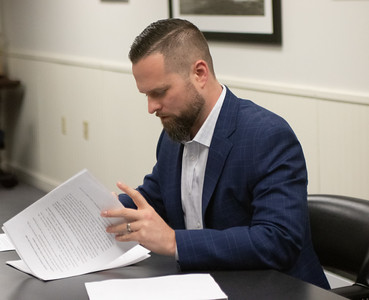
How To Avoid Common Probate Mistakes That Can Delay Estate Settlements

Probate can be a time-consuming and stressful process, especially when mistakes cause unnecessary delays. Whether you are serving as an executor or managing a loved one’s estate, avoiding common probate errors can help us settle matters more efficiently. By understanding what causes delays and how to prevent them, you can ensure the probate process runs as smoothly as possible.
Failing To Locate All Estate Assets
One of the most common probate mistakes is not identifying all of the deceased’s assets. If certain bank accounts, real estate, or investment funds are overlooked, it can extend the probate timeline significantly. To prevent this, you should conduct a thorough review of financial records, tax returns, and personal documents. A probate lawyer can also help you track down hidden or forgotten assets.
Not Notifying Beneficiaries And Creditors Properly
Probate requires notifying all beneficiaries and potential creditors of the estate. If you fail to provide proper notice, legal disputes or additional claims could arise, slowing down the process. You should follow state-specific guidelines for notifications and maintain records of all communications. Consulting with a probate lawyer can help you navigate these legal requirements correctly.
Mismanaging Estate Debts And Taxes
Settling outstanding debts and taxes is a key part of probate. If you fail to pay the deceased’s final income taxes, estate taxes, or outstanding bills, creditors can file claims, leading to probate delays. To avoid this, you should keep detailed records of debts and payments, consult with a tax professional, and ensure that all necessary tax filings are completed on time.
Overlooking The Importance Of Proper Documentation
Probate involves extensive paperwork, and missing or incorrect documents can result in costly delays. Common errors include failing to file the will with the probate court, not obtaining the necessary death certificates, or submitting incomplete financial statements. To stay organized, you should create a checklist of required documents and seek legal guidance to ensure everything is filed correctly.
Mishandling Property Distribution
Distributing estate assets too early or without proper approval can cause legal problems. In some cases, an executor may distribute funds before all debts and taxes are settled, leading to complications if additional creditors come forward. You should always wait for court approval before making distributions and keep clear records of all transactions to avoid disputes among beneficiaries.
Not Seeking Legal Guidance When Needed
Many probate mistakes occur simply because executors or family members try to handle everything on their own. Probate laws vary by state, and making even a small mistake can lead to unnecessary court hearings or disputes. If you are unsure about any aspect of the process, working with a probate lawyer can help us prevent delays and avoid costly errors.
Probate can be a complex legal process, but by avoiding these common mistakes, you can help settle an estate efficiently. Staying organized, following legal procedures, and seeking professional guidance when needed can save time and reduce stress for everyone involved.
Disclaimer:
- The Rhode Island Supreme Court licenses all lawyers in the general practice of law, but does not license or certify any lawyer as an expert or specialist in any field of practice. This web site is designed for general information only. The information presented at this site should not be construed to be formal legal advice, nor the formation of a lawyer client relationship.
- No Attorney-Client Relationship Created by Use of this Website. Neither your receipt of information from this website, nor your use of this website to contact Aptt Law LLC (hereinafter “the Firm”) or one of its lawyers creates an attorney-client relationship between you and the Firm. You will become a client of the Firm only if and when you sign an engagement agreement setting forth the scope of the Firm’s engagement, the fee arrangement and other relevant matters.
- Disclosure Under IRS Circular 230: Any U.S. federal tax advice contained in this communication (including any attachments) is not intended or written to be used, and cannot be used, for the purpose of (i) avoiding penalties under the Internal Revenue Code or (ii) promoting, marketing, or recommending to another party any tax-related transaction or matter.