6 Ways Estate Lawyers Handle Second Opinions

Seeking second opinions on estate plans is smart, not insulting to original attorneys. Estate planning involves important decisions affecting your family’s future, and different attorneys bring varying perspectives, experience levels, and strategic approaches. Our friends at NW Legacy Law discuss how professional reviews of existing plans often identify improvements, missed opportunities, or potential problems that original planning overlooked. An estate planning lawyer providing second opinions approaches your plan with fresh eyes and no defensive attachment to prior recommendations.
We’ve identified six specific ways attorneys provide valuable second opinion services.
Conducting Comprehensive Document Reviews
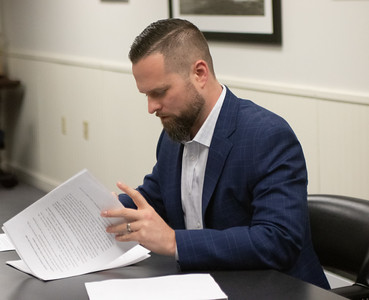
Second opinion reviews examine all existing estate planning documents thoroughly. We analyze wills, trusts, powers of attorney, healthcare directives, and beneficiary designations to understand your complete plan.
According to estate planning review guidance, comprehensive reviews identify issues original planning may have missed. We approach documents objectively without defending previous recommendations.
Our reviews assess whether documents accomplish stated goals, comply with current laws, and address your specific circumstances appropriately.
Identifying Missed Planning Opportunities
Different attorneys have varying levels of experience with sophisticated strategies. Second opinions often reveal tax planning opportunities, asset protection techniques, or family dynamic solutions that original planning didn’t implement.
We identify whether:
- Tax minimization strategies appropriate to your estate were considered
- Asset protection structures fit your professional or personal risks
- Trust provisions address family complexities adequately
- Charitable planning aligns with your philanthropic goals
- Business succession planning protects enterprise value
Fresh perspectives frequently spot opportunities original attorneys missed.
Checking For Legal Compliance And Validity
Estate planning laws change frequently through legislation and court decisions. Documents created years ago may contain outdated provisions or use execution procedures no longer recognized under current law.
We verify that your existing plan:
- Complies with current federal and state laws
- Uses proper execution procedures for validity
- Contains authority sufficient for modern financial transactions
- Addresses tax law changes since creation
- Meets institutional requirements for acceptance
Legal compliance reviews ensure documents will actually work when your family needs them.
Assessing Appropriateness For Current Circumstances
Your life may have changed substantially since creating your plan. We evaluate whether existing documents still fit your current family structure, asset levels, relationships, and goals.
Second opinions identify when:
- Named fiduciaries are no longer appropriate
- Beneficiary designations need updating
- Distribution provisions don’t match current wishes
- Asset values warrant different strategies
- Family dynamics require different approaches
Circumstances change more than most people realize. Plans should evolve accordingly.
Explaining Existing Provisions Clearly
Sometimes people don’t fully understand plans created for them. We explain what your existing documents actually do in plain language without legal jargon.
Second opinion reviews clarify:
- What happens to your assets when you die
- Who makes decisions during your incapacity
- How trusts function and when distributions occur
- What authority fiduciaries have
- How taxes affect ultimate distributions
Understanding your own plan is fundamental to confidence that it accomplishes your goals.
Providing Honest Assessment Without Sales Pressure
We provide objective opinions about whether your existing plan serves you well or needs updates. Some plans are excellent and require no changes. Others need minor tweaks. Some demand complete overhauls.
Honest assessment means:
- Acknowledging when existing plans work well
- Identifying specific problems requiring attention
- Recommending appropriate solutions proportional to issues
- Respecting that you may choose to stay with current attorneys
- Focusing on your interests rather than generating business
Second opinions should enlighten, not create unnecessary alarm.
When To Seek Second Opinions
Consider second opinion reviews when:
- Your plan is over five years old without updates
- You’re uncomfortable with recommendations you received
- Life circumstances have changed dramatically
- You don’t understand your existing plan
- Original attorney is no longer available
- You’re considering major updates and want confirmation
- Estate value has increased substantially
- You’ve relocated to a different state
Second opinions provide confidence in important decisions.
What Second Opinions Cost
Second opinion fees vary based on plan complexity and review depth. Simple document reviews might cost $500 to $1,500. Comprehensive analyses of complex plans may cost $2,000 to $5,000.
This investment provides peace of mind that your plan truly protects your family or identifies necessary improvements.
Bringing Documents To Second Opinion Meetings
Maximize second opinion value by providing:
- All estate planning documents
- Recent account statements
- Beneficiary designation forms
- Asset inventory with approximate values
- Information about family circumstances
- Specific concerns or questions
Complete information allows thorough assessments.
What Happens After Second Opinions
Second opinions typically result in three possible outcomes:
- Confirmation that your existing plan works well with perhaps minor suggested tweaks
- Identification of specific improvements warranting updates
- Recommendation for comprehensive plan revision
We provide clear explanations of findings and recommendations regardless of outcome.
Choosing Whether To Update With Original Or New Attorney
After receiving second opinions, you can return to original attorneys with identified issues or proceed with new counsel. Either choice is acceptable.
Many people appreciate second opinions but prefer continuing with original attorneys who already understand their situations. Others feel more comfortable with fresh starts.
Ethics Of Second Opinions
Attorneys welcome second opinions as professional courtesy. Seeking alternative perspectives doesn’t insult original counsel or create ethical issues.
We respect professional relationships and focus objectively on whether plans serve clients well rather than criticizing other attorneys.
Questions Second Opinions Address
Common questions we answer during reviews:
- Does my plan accomplish what I was told it would?
- Are there better strategies for my situation?
- Is my plan still valid under current laws?
- Should I be concerned about anything in these documents?
- Are the fees I paid reasonable for what I received?
Making Informed Decisions
Estate planning deserves the same careful consideration you’d give major medical decisions or significant financial investments. Second opinions provide information and confidence that your plan truly protects your family appropriately. We provide thorough second opinion reviews of existing estate plans with objective assessment, clear explanation, and honest recommendations about whether your current planning serves you well or needs improvement. Contact us to schedule a second opinion review and gain confidence that your estate plan truly accomplishes your goals or learn what improvements would better protect your family through fresh professional perspective on your existing documents.